Talk with our local travel specialist who can help organize your trip.
Nepal Trek Budget Planner: Daily Costs for Food, Accommodation, and Permits in 2026
- Written by: Naba Raj Amgai
- Published: May, 9, 2026
- Last Updated On: May, 9, 2026

Key Highlights (AI Generated Summary)
- Trekking in Nepal costs between 3000 and 12000 NPR per day in 2026, varying by trekking style, route, altitude, and comfort level; popular regions like Everest Base Camp are more expensive than Langtang or Annapurna.
- Budget trekkers spend around 3000–5000 NPR per day, mid-range trekkers 5000–8000 NPR, and guided trekkers 8000–12000 NPR, with these amounts covering food, accommodation, and basic daily expenses.
- Daily food costs rise with altitude: breakfast (300–800 NPR), lunch (500–900 NPR), and dinner (600–1000 NPR); Dal Bhat is the best-value meal, and drinks like bottled water become costly at higher elevations.
- Accommodation is typically in tea houses, with rooms at lower altitudes costing 500–800 NPR per night; prices increase as you ascend due to supply challenges.
- Switching to filtered water and purification tablets can help reduce expenses, especially at higher altitudes where bottled water is expensive.
Planning a trek in Nepal feels exciting until you try to put a number on it. One guide says it is cheap. Another throws out a big total without explaining where the money actually goes. Then once you are on the trail, prices start changing every couple of days, and nothing matches what you expected.
That is where most people struggle. Not because trekking is expensive, but because the daily costs are not clearly broken down before you start.
What you spend depends on altitude, route, and the small decisions you make every day. A basic meal costs one thing at 2000 meters and something very different at 4000 meters. A bottle of water that feels cheap early on becomes one of your biggest expenses later.
This guide breaks it down properly. You will see real daily costs for food, accommodation, permits, and the small extras that add up quickly, so you can plan your budget with confidence.
Table of Content
- How Much Does Trekking in Nepal Cost Per Day in 2026?
- What Are the Daily Food Costs on Nepal Treks?
- What Does Accommodation Cost Per Night on the Trail?
- How Much Do Permits Cost for Popular Nepal Treks?
- What Other Daily Costs Do Trekkers Forget?
- Daily Budget Breakdown by Trekking Style
- How Costs Increase with Altitude in Nepal Treks
- How to Reduce Your Trekking Costs Without Ruining the Experience
- When Is Trekking Cheapest in Nepal?
- What Actually Determines Your Trek Budget in Nepal
How Much Does Trekking in Nepal Cost Per Day in 2026?
Trekking in Nepal costs between 3000 NPR and 12000 NPR per day, depending on your trekking style, route, and comfort level.
Here is a realistic breakdown:
- Budget trekkers spend around 3000 to 5000 NPR per day
- Mid-range trekkers spend around 5000 to 8000 NPR per day
- Guided trekkers spend around 8000 to 12000 NPR per day
These numbers include food, accommodation, and basic daily expenses on the trail.
The biggest factors that affect your cost are region, altitude, and how you choose to spend each day. Routes like Everest Base Camp are generally more expensive than Langtang or Annapurna. As you gain altitude, everything costs more because supplies become harder to transport.
What Are the Daily Food Costs on Nepal Treks?

Food costs on Nepal treks increase steadily with altitude because all supplies are carried up by porters, mules, or yaks once roads end.
At lower elevations, meals feel reasonably priced. As you go higher, the same menu becomes more expensive.
A typical daily food cost looks like this:
- Breakfast costs around 300 to 800 NPR
- Lunch costs around 500 to 900 NPR
- Dinner costs around 600 to 1000 NPR
The most common meal is Dal Bhat, usually priced between 600 and 900 NPR. It remains the best value because refills are often included.
Drinks add up faster than most people expect. Tea costs around 100 to 300 NPR, while coffee is usually higher. Bottled water becomes one of the biggest expenses at altitude, often reaching 300 to 500 NPR per liter above 4000 meters.
Switching to filtered water with purification tablets can reduce your daily cost significantly.
What Does Accommodation Cost Per Night on the Trail?
Accommodation on Nepal treks is based on the tea house system, where simple rooms are available along most routes.
At lower altitudes, rooms usually cost 500 to 800 NPR per night. Higher up, prices increase to around 800 to 1500 NPR, especially in busy trekking areas.
In many tea houses, rooms are discounted or sometimes free if you eat meals there. This is why food prices appear slightly higher. It balances out the overall cost.
During peak seasons, rooms fill up quickly and prices can increase slightly. In quieter months, there is more flexibility.
How Much Do Permits Cost for Popular Nepal Treks?
Permits are a fixed cost and depend on the trekking region. These are the current standard permit costs for 2026.
|
Trek Region |
Permit Type |
Cost |
|
Everest Region |
Sagarmatha National Park Entry |
3000 NPR |
|
Everest Region |
Khumbu Local Municipality Permit |
2000 NPR |
|
Annapurna Region |
ACAP Permit |
3000 NPR |
|
Annapurna Region |
TIMS Card |
2000 NPR |
|
Langtang Region |
Langtang National Park Entry |
3000 NPR |
|
Langtang Region |
TIMS Card |
2000 NPR |
In the Everest region, the local Khumbu permit has replaced the TIMS card, so TIMS is not required there.
Restricted areas such as Manaslu and Upper Mustang require special permits. These usually cost 100 USD per week or more, depending on the region and duration.
What Other Daily Costs Do Trekkers Forget?
Daily trekking costs go beyond food and accommodation. Small extras often get overlooked and can increase your total spend.
Charging devices is common in tea houses and usually costs around 200 to 500 NPR per device at higher altitudes.
Hot showers cost between 300 and 700 NPR, depending on location and altitude.
WiFi access is available in many villages, but it is usually paid, often around 300 to 500 NPR.
Snacks are another hidden cost. Chocolate bars, biscuits, and packaged food are much more expensive on the trail than in cities.
Tips for guides and porters are not part of daily spending but should be included in your overall budget.
Featured Trips
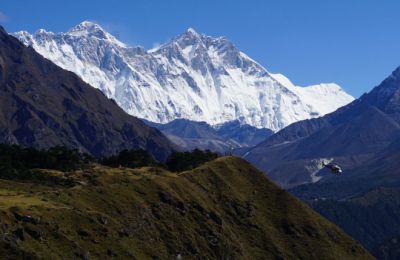
Everest Base Camp Trek - 14 days
Looking for an exciting Himalayan experience? Join us on our 14 day Everest Base Camp Trek - get ready to be stunned by breathtaking views and discover magical Nepalese cultures!
Inquire Now
Langtang Valley Trek - 11 days
Langtang Valley Trek is best suited for those looking for a short trekking adventure with amazing Himalayan views and unique mountain culture. Explore Langtang National Park and experience Tamang culture.
Inquire NowWhere to travel next?
Get help from our travel specialists for holiday ideas that matches your interests.
Daily Budget Breakdown by Trekking Style
A simple comparison makes it easier to understand how your daily spending changes.
|
Trekking Style |
Daily Cost |
|
Budget |
3000 to 5000 NPR |
|
Mid Range |
5000 to 8000 NPR |
|
Guided |
8000 to 12000 NPR |
Budget trekking usually means basic meals, minimal extras, and no guide.
Mid range trekking includes occasional extras like hot showers, better food choices, and more comfort.
Guided trekking includes guide fees, porter support, and a more structured experience.
How Costs Increase with Altitude in Nepal Treks
Costs increase with altitude because transport becomes more difficult as you move higher into the mountains.
At lower elevations, goods are transported by road. Higher up, everything is carried manually or by animals.
This directly affects pricing. For example, a liter of water that costs 50 NPR at lower elevations can cost 300 NPR or more above 4000 meters. Meals follow a similar pattern.
Understanding this helps you avoid surprises as you move higher on your trek.
How to Reduce Your Trekking Costs Without Ruining the Experience
Reducing costs does not mean cutting comfort. It comes down to making better daily decisions.
Using filtered water instead of buying bottled water saves money every day. Eating local meals like Dal Bhat provides the best value.
Avoiding unnecessary extras such as frequent hot showers or expensive snacks helps keep your spending under control.
Trekking outside peak seasons can also reduce costs slightly, especially for accommodation.
When Is Trekking Cheapest in Nepal?
Trekking is cheapest during winter and monsoon seasons, when fewer trekkers visit Nepal.
During these periods, some tea houses offer more flexible pricing and availability.
The trade off is weather. Winter brings colder temperatures, while monsoon brings rain and reduced visibility. With proper planning, both seasons can still offer a good trekking experience at a lower cost. Although winter and monsoon often offer lower prices, recent weather patterns have become less predictable. Understanding Nepal's changing trekking seasons can help you balance costs with safety and trail conditions.
What Actually Determines Your Trek Budget in Nepal
Your trekking budget is shaped less by fixed prices and more by how you make decisions each day on the trail.
The region you choose sets the base cost. Your comfort level determines how much you spend on food, accommodation, and extras.
Then there are small daily choices. Buying bottled water or filtering it. Ordering extra food or sticking to simple meals. Paying for services or skipping them.
All of these add up over time.
Once you understand where your money goes, budgeting becomes simple. You are not guessing anymore. You are choosing how you want your trek to feel and adjusting your spending accordingly.
Take the First Step Toward the Himalayas
Planning your trek budget, along with permits, logistics, and routes, can feel like a lot to handle, but it doesn’t have to be that way. At Third Rock Adventures, we help you plan everything clearly, from costs and paperwork to providing expert guides, so you can fully immerse yourself in the incredible experience of trekking in Nepal without worrying about unexpected expenses.
Contact us today at Third Rock Adventures or call/WhatsApp +977-9851055684 to start your Nepal adventure today.
Featured Trips

Annapurna Base Camp Trek - 11 days
Annapurna Base Camp Trek - 11 days takes you close to the world's 10th highest mountain, Annapurna I, Gurung culture, rhododendron forest, and terraced fields.
Inquire Now
Annapurna Sanctuary Trek - 13 days
Annapurna Sanctuary Trek lasting for 13 days takes you close to a high glacial basin of Annapurna Massif. Hike to Poon Hill and Annapurna Base Camp.
Inquire NowWhere to travel next?
Get help from our travel specialists for holiday ideas that matches your interests.